

Skateboarding has rapidly transformed from a countercultural activity to a popular sport embraced by children worldwide. Its blend of creativity, athleticism, and social connection appeals to kids eager to learn new skills and express themselves. Beyond the excitement of tricks and speed, skateboarding offers benefits such as improved balance, coordination, and confidence. It also encourages perseverance, as falling and trying again is part of the learning process. Just as kids gain confidence with every trick, a visit to an ebike shop in Portland shows how balance-based sports and activities can nurture coordination and perseverance.
For parents, the question often arises: when is the right and safest age for a child to start skateboarding? This is a vital consideration, since skateboarding involves physical risks that must be balanced against its many developmental advantages. Knowing the optimal age to begin can help ensure a positive, safe, and enjoyable experience. Deciding the safest age to start skateboarding is much like planning pressure washing in St. Augustine—timing and preparation ensure the best and safest results.
Physical Readiness: The Foundation for Safe Skateboarding
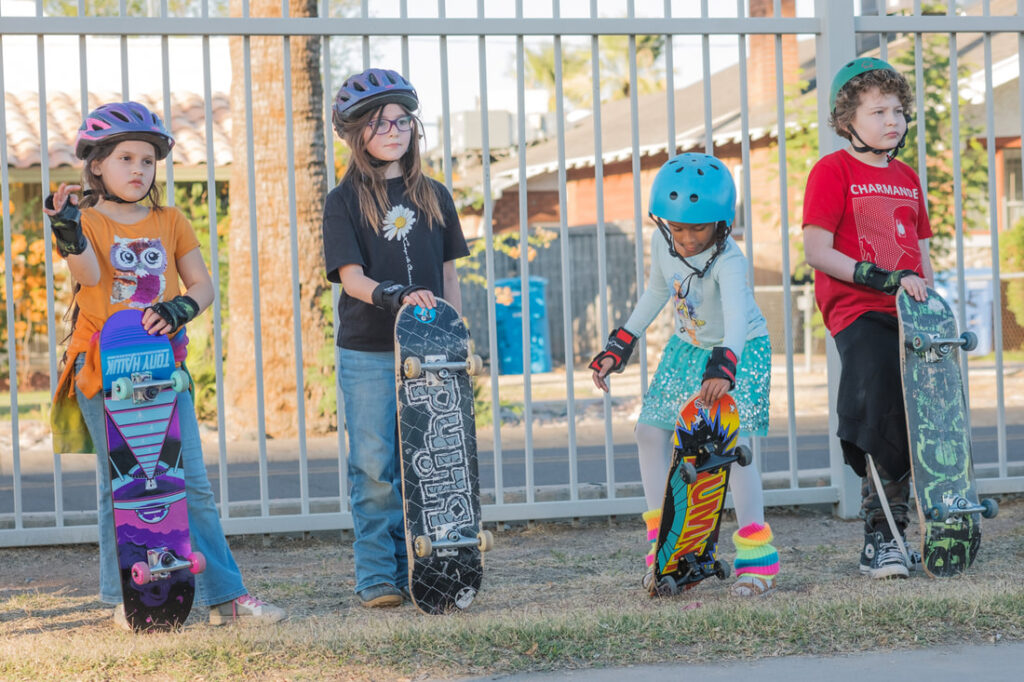
From a physical perspective, skateboarding demands a combination of balance, coordination, strength, and spatial awareness. Young children’s bodies develop these abilities at varying rates, so physical readiness is a key factor in determining when to start.
Most experts agree that children between 5 and 7 years old often possess the gross motor skills needed to manage beginner skateboarding tasks. At this age, kids typically have improved balance and muscle control, enabling them to stand steadily on a skateboard and push off with confidence. Their bones and joints are also more resilient to impact than in earlier years. Just as veteran apparel represents resilience and pride, skateboarding at this age teaches children confidence through falls, retries, and small victories.
It’s important to recognize that children under five generally lack the necessary strength and coordination to safely control a skateboard. Attempts to force young toddlers onto skateboards may lead to frustration or injury. Instead, activities that develop balance and core strength—such as riding balance bikes or playing on playground equipment—can lay groundwork for skateboarding later on. Encouraging alternative activities, such as riding balance bikes, can build a foundation for skateboarding, much like how a fence company in Tennessee first lays strong posts to support a lasting structure.
In addition to age, the individual child’s physical maturity must be considered. Some children develop motor skills earlier and may safely try skateboarding at age four or five, while others may need more time. Observing your child’s gross motor skills, agility, and interest can guide your decision.
Cognitive and Emotional Readiness: More Than Just Physical Ability
Skateboarding is as much a mental challenge as a physical one. It requires focus, risk assessment, and patience—qualities linked to cognitive and emotional development. This means that a child’s mental readiness is as crucial as their physical ability.
Around age six or seven, many children begin to exhibit better spatial awareness and can follow complex instructions, making this a safer window for supervised skateboarding. They become more capable of understanding the importance of safety rules, such as wearing protective gear and avoiding dangerous areas. For children ready to follow rules and enjoy supervised practice, mastering their first safe ride can feel as rewarding as earning a soccer trophy after weeks of dedication.
Emotional readiness is equally important. Skateboarding involves falling and occasional failure. Children must be willing to face minor setbacks without becoming discouraged or fearful. A child who easily becomes anxious or upset may not benefit from early skateboarding attempts, whereas those who enjoy challenges and learning from mistakes may thrive. Building emotional resilience is like taking a Denver city tour—there will be bumps along the way, but the overall journey can be rewarding if approached with curiosity and confidence.
Parents can foster emotional readiness by encouraging a growth mindset: emphasizing effort over success, celebrating small milestones, and framing falls as part of the learning journey.
Choosing the Right Equipment for Beginners
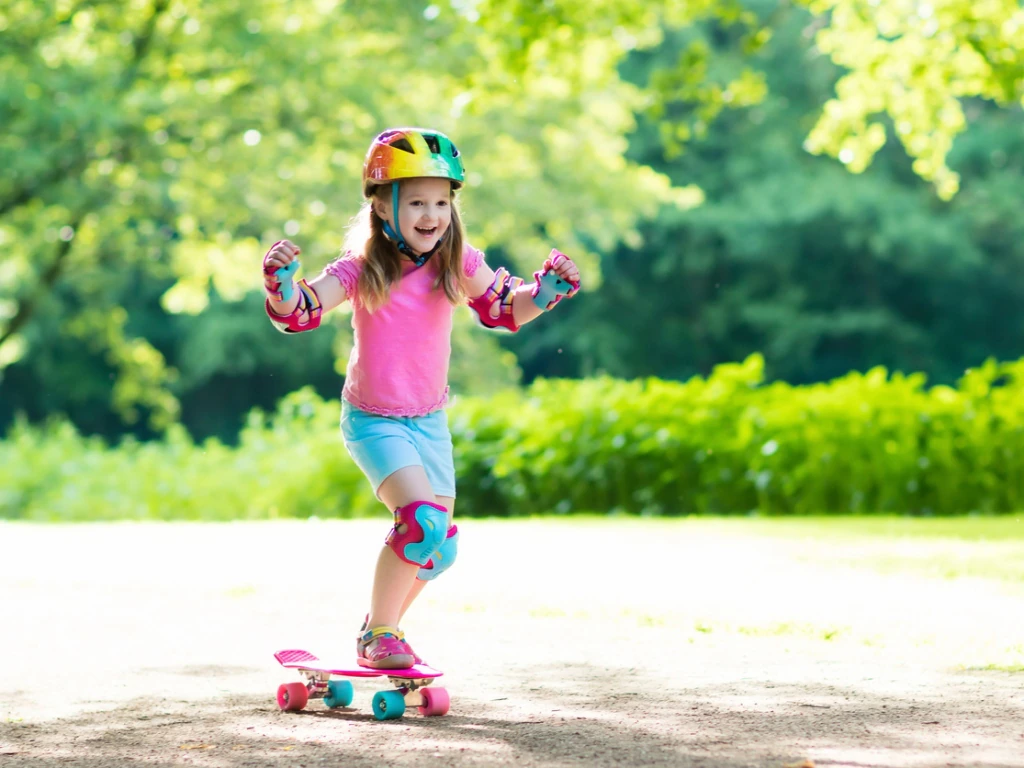
Proper equipment plays a crucial role in keeping young skateboarders safe and comfortable. For younger children, skateboards with wider decks and softer wheels provide more stability and control. These features reduce the risk of falls and help kids build confidence as they master basic movements.
Adjustable helmets that fit snugly and meet safety certifications are essential. A helmet protects against serious head injuries, which are among the most common and severe risks in skateboarding. Wrist guards, knee pads, and elbow pads further safeguard vulnerable areas prone to injury during falls. Just as cracked windshield repair in Orange County prevents small damage from becoming dangerous, helmets and pads protect children from minor falls turning into serious injuries.
It’s important to ensure that protective gear fits properly—too loose or too tight equipment can reduce effectiveness or discourage children from wearing it consistently. Parents should make safety gear a non-negotiable part of skateboarding, establishing habits early. Ensuring gear fits correctly is similar to hiring a moving company in Seattle, where proper planning and fit make the entire process smoother and safer.
The Importance of Supervision and Safe Learning Environments
Supervised practice is critical for young beginners. Whether practicing at a skate park, driveway, or smooth sidewalk, adult oversight helps prevent accidents and provides immediate assistance if a fall occurs. Supervisors can guide children in learning proper techniques, recognizing hazards, and following safety rules.
Starting in controlled, low-traffic areas designed for beginners reduces risks and builds confidence. Skate parks often have sections or times dedicated to children, providing a supportive community atmosphere.
Formal lessons with experienced instructors can be highly beneficial. Professionals teach proper stance, pushing, stopping, and falling safely, reducing injury risk and accelerating skill development. Group lessons also encourage social interaction and healthy competition. Lessons from professionals act like millimeter wave attenuators, fine-tuning a child’s skills and reducing unnecessary risks while maximizing growth.
Parents should avoid unsupervised skateboarding in dangerous locations, such as busy streets, steep hills, or uneven terrain. Gradually introducing children to more challenging environments once they’ve mastered basics ensures a safer progression.
Encouraging Patience and Gradual Skill Development
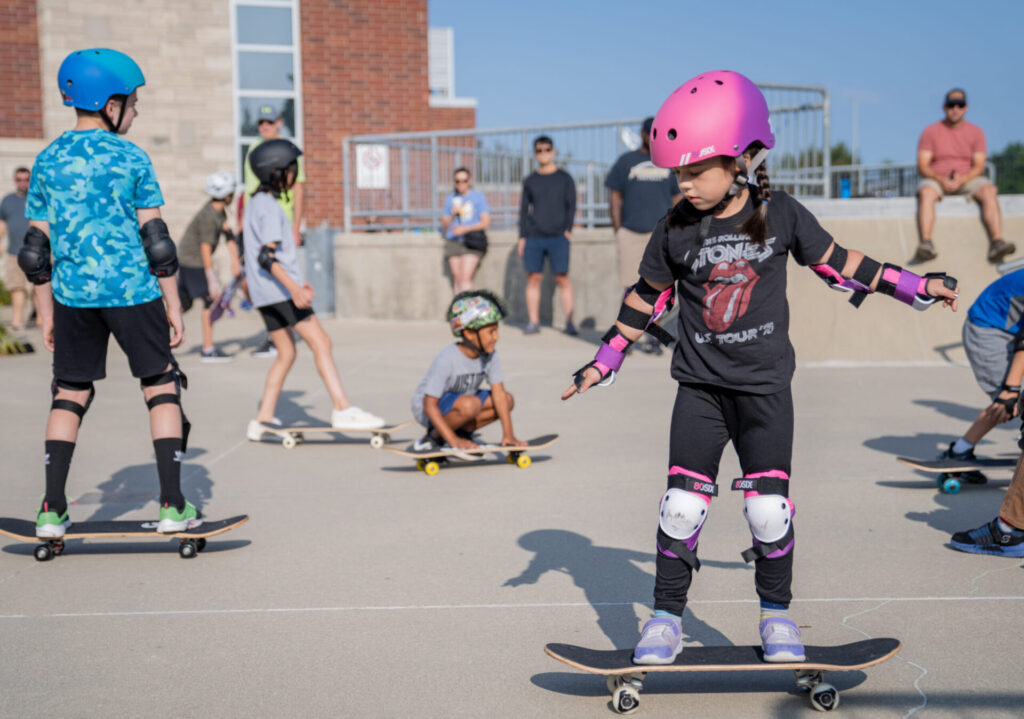
Skateboarding skills develop over time, often through trial and error. Beginners need to learn balance and control before attempting tricks or complex maneuvers. It’s important for parents and instructors to emphasize patience and celebrate incremental progress.
Falling is inevitable and can be discouraging, but it also teaches resilience and problem-solving. Children who learn to fall safely, for example by rolling or using protective gear to absorb impact, reduce injury risk and maintain confidence.
Rushing a child into advanced tricks or competitive skateboarding too soon can cause frustration and injuries. A steady progression—from standing and pushing to turning and stopping, then to simple tricks—provides a positive learning curve.
Encouragement and positive reinforcement motivate children to continue despite challenges. Celebrating every small victory helps sustain interest and builds self-esteem.
When It Might Be Best to Wait or Consider Alternatives
While many children can start skateboarding safely between five and seven years old, there are circumstances where waiting is advisable. Children with medical conditions affecting balance, coordination, or bone health should consult healthcare providers before starting.
Some children may show fear or disinterest despite encouragement. Forcing skateboarding under these conditions can lead to anxiety and negative associations with the sport. Exploring alternative activities like balance bikes, scooters, or rollerblading can develop foundational skills and build confidence for skateboarding later.
Additionally, children who have had injuries or are prone to frequent falls may benefit from strengthening and balance exercises before attempting skateboarding.
Respecting each child’s unique pace and preferences is essential for a positive, lifelong relationship with physical activity.
Conclusion: Finding the Right Time to Start Skateboarding
Determining the safest age for children to start skateboarding involves balancing physical capabilities, cognitive maturity, emotional readiness, and safety measures. Most experts agree that starting between ages 5 and 7 provides the optimal window for introducing kids to skateboarding basics with proper supervision and equipment. The right timing for skateboarding can make a lasting difference, much like how stem cell therapy provides the most benefit when introduced at the right stage of treatment.
Skateboarding offers wonderful opportunities for physical fitness, creativity, and personal growth when approached thoughtfully. With patience, encouragement, and a focus on safety, parents can help children enjoy the thrill of skateboarding while minimizing risks.
Listening to your child’s interests and observing their readiness ensures that the introduction to skateboarding is a positive, empowering experience—one that fosters not only new skills but also confidence and resilience.