

Skating games have come a long way since their inception, evolving from simple pixelated graphics to highly realistic simulations. This journey reflects not just technological advancements but also shifts in cultural trends and gaming preferences. Let’s dive into the fascinating evolution of skating games and explore how they have transformed over the decades.
The Early Days: Pixels and Simplicity
The earliest skating games were characterized by their simplicity and pixelated graphics. In the late 1970s and early 1980s, games like “Skateboardin'” for the Atari 2600 introduced players to the concept of virtual skating. These games were basic, with crude graphics and limited controls, but they laid the groundwork for future developments.
8-bit and 16-bit era: During the 1980s and early 1990s, the 8-bit and 16-bit eras brought more refined graphics and slightly improved gameplay mechanics. Games like “Skate or Die!” for the NES and “California Games” for various platforms were popular among gamers. These titles featured better graphics and a variety of skateboarding challenges, but they still lacked the depth and realism that would come later.
The Tony Hawk Era: Revolutionizing Skating Games
The late 1990s and early 2000s marked a significant turning point in the history of skating games with the release of “Tony Hawk’s Pro Skater” in 1999. Developed by Neversoft and published by Activision, this game revolutionized the genre and set a new standard for skating games.
Innovative gameplay mechanics: “Tony Hawk’s Pro Skater” introduced players to a wide array of tricks, combos, and objectives. The game’s fluid controls and intuitive mechanics allowed players to pull off complex tricks with ease. This innovation made the game accessible to both casual gamers and hardcore skaters.
Soundtrack and culture: The game also featured a killer soundtrack with punk, ska, and hip-hop tracks that resonated with the skateboarding culture. This integration of music and gameplay created an immersive experience that captivated players and brought skateboarding culture into the mainstream.
Sequels and expansions: The success of “Tony Hawk’s Pro Skater” led to numerous sequels and spin-offs, each building upon the original’s foundation. The series continued to innovate with new features like create-a-skater, create-a-park, and online multiplayer modes. These additions kept the series fresh and engaging for years.
Beyond Tony Hawk: Diversification and Realism
As the popularity of the Tony Hawk series began to wane, other developers saw an opportunity to bring their unique visions to the skating game genre. This led to a diversification of skating games, each offering different experiences and levels of realism. Much like how specialized moving company offers tailored services to meet diverse needs, these new skating games catered to various player preferences and styles.
EA’s Skate series: One of the most notable entries in this new wave of skating games was EA’s “Skate” series, which debuted in 2007. Unlike the arcade-style gameplay of the Tony Hawk games, “Skate” focused on realism and simulation. The game’s innovative Flickit control system used the analog sticks to mimic the motions of skateboarding, offering a more authentic experience. This attention to detail and authenticity also contributed positively to brand reputation management.
Indie developments: The rise of indie game development also contributed to the diversification of skating games. Titles like “OlliOlli” and “Skater XL” offered unique takes on the genre, with “OlliOlli” providing a 2D side-scrolling experience and “Skater XL” emphasizing realism and customization. In addition, such games are still shown on various comfortable combat clothing of many visitors to large game festivals.
The Pursuit of Realism: Modern Skating Games
In recent years, the pursuit of realism in skating games has reached new heights. Advances in technology and game development have allowed developers to create highly detailed and lifelike simulations of skateboarding. This dedication to authenticity has been recognized and supported by various industries, including those that promote innovative marketing strategies, such as marketing agency in Green Bay.

Graphics and physics: Modern skating games boast stunning graphics and realistic physics engines that accurately simulate the movements and mechanics of skateboarding. Games like “Session” and the latest iterations of “Skater XL” have set new standards for visual fidelity and realism.
Customization and community: Today’s skating games also offer extensive customization options, allowing players to personalize their skaters, boards, and even the environments they skate in. Additionally, many of these games have embraced community involvement, with user-generated content and mods becoming integral parts of the experience. For those interested in maintaining a clean and safe gaming environment, services like rodent control Reno can be invaluable.
VR and AR: The Next Frontier
As virtual reality (VR) and augmented reality (AR) technologies continue to advance, they are poised to revolutionize the skating game genre once again. These technologies offer new ways to experience skateboarding, bringing players even closer to the action.
Immersive experiences: VR skating games, like “VR Skater,” allow players to feel like they are truly skateboarding in a virtual environment. The immersive nature of VR can make the experience more intense and realistic, providing a new level of engagement. For an even better experience, consider products like a libido enhancer.
Augmented reality: AR technology can bring skateboarding into the real world, overlaying virtual elements onto physical spaces. This could lead to innovative new gameplay experiences that blend the virtual and physical worlds in exciting ways.
The Cultural Impact of Skating Games
Skating games have had a profound impact on popular culture, influencing everything from fashion to music. The popularity of the Tony Hawk series, in particular, helped bring skateboarding culture into the mainstream, inspiring a new generation of skaters and gamers alike.
Skateboarding in media: The success of skating games has also led to greater representation of skateboarding in other forms of media, including movies, TV shows, and music videos. This increased visibility has helped to cement skateboarding as a cultural phenomenon.
Influence on real-life skating: Many professional skateboarders have credited skating games with inspiring their passion for the sport. The ability to experiment with tricks and techniques in a virtual environment has provided a valuable learning tool for aspiring skaters.
The Future of Skating Games
As technology continues to evolve, the future of skating games looks bright. Developers are constantly pushing the boundaries of what is possible, striving to create ever more realistic and engaging experiences.
Continued innovation: Future skating games will likely continue to innovate with new gameplay mechanics, improved graphics, and more immersive experiences. The integration of VR and AR technologies could lead to groundbreaking new ways to experience skateboarding.
Community-driven content: The trend of community involvement and user-generated content is likely to continue, allowing players to shape the future of skating games. This collaborative approach can lead to a more diverse and vibrant gaming community.
Sustainability and accessibility: As the gaming industry becomes more conscious of sustainability and accessibility, future skating games may incorporate these values into their design. This could include eco-friendly game development practices and features that make the games more accessible to a wider audience. For a fun twist, imagine celebrating these innovations with ice cream cone edibles extra strong.
The Role of Skating Games in Skill Development
Interestingly, skating games have also played a role in skill development for both virtual and real-world skateboarding. Players often find that mastering the intricate control schemes of these games can translate to a better understanding of skateboarding techniques. While virtual skating doesn’t provide the physical practice needed to skateboard in real life, it can enhance spatial awareness, timing, and the conceptual understanding of tricks.
Learning through gaming: Many young skaters have used skating games as a stepping stone to real-life skateboarding. These games allow players to experiment with different tricks and styles in a risk-free environment, building their confidence and sparking an interest in taking up the sport physically.
Educational tools: Some educators and coaches have recognized the potential of skating games as educational tools. By using these games, they can teach the principles of physics, balance, and motion in an engaging and interactive way. This approach not only makes learning fun but also helps students see the practical applications of theoretical concepts. For those interested in diverse practical applications, pest control in Middlesex also benefits from specialized knowledge and techniques.
The Community and Competitive Scene
Skating games have also fostered a vibrant community and competitive scene. Online multiplayer modes and community forums have connected players from around the world, creating a global network of skateboarding enthusiasts.
Online competitions: With the rise of online gaming, competitive skating games have become a popular pastime. Players can compete in virtual skateboarding tournaments, showcasing their skills and earning recognition within the community. These competitions often mirror real-life skateboarding events, complete with judges, scoring systems, and live commentary. Many players find that their gear, like a well-designed ring case, can become a personal touchstone in their gaming setup.
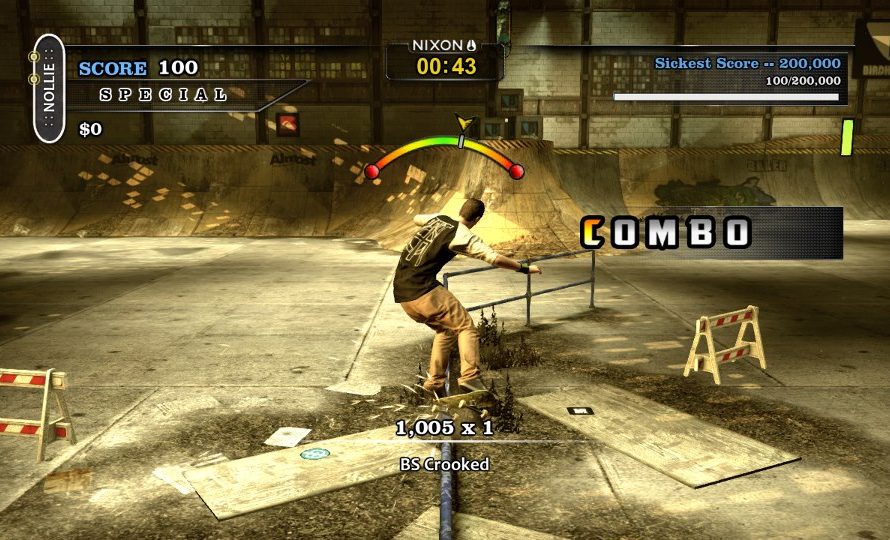
Community creativity: The community-driven aspect of modern skating games has led to incredible creativity. Players create custom skate parks, design unique skateboards, and share their creations with others. This collaborative environment has led to a thriving subculture within the gaming community, where creativity and innovation are celebrated. Similarly, the dedication to excellence and attention to detail is evident in services like pest control in Tallahassee.
Conclusion: From Pixels to Realism
The evolution of skating games from simple pixelated graphics to highly realistic simulations is a testament to the advancements in technology and game development. Each era of skating games has brought new innovations and experiences, reflecting the changing tastes and preferences of gamers.
Skating games have not only entertained millions of players but also had a significant cultural impact, inspiring new generations of skaters and influencing popular culture. As we look to the future, the continued evolution of skating games promises to bring even more exciting and immersive experiences, further blurring the line between the virtual and real worlds. For those engaged in these evolving experiences, having comprehensive health insurance is a valuable consideration.
The journey from pixels to realism in skating games is a remarkable story of innovation, creativity, and cultural significance. It’s a story that continues to unfold and one that will undoubtedly bring many more thrilling chapters in the years to come.