

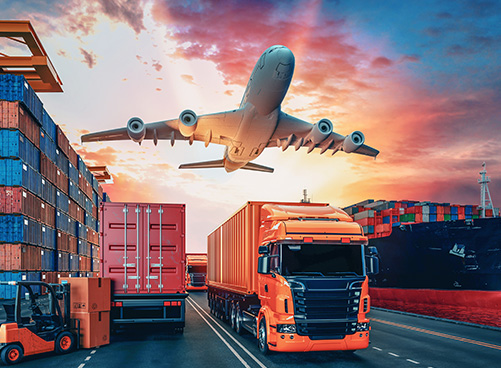
Introduction
In the modern era, sustainability has become a cornerstone of responsible business practices, permeating industries of all kinds. One realm that has seen a significant transformation through this lens is third-party logistics (3PL) services. As environmental concerns grow, the integration of green logistics principles within 3PL services has emerged as a critical strategy to minimize ecological impact while optimizing supply chain efficiency. This symbiotic approach benefits not only the environment but also businesses and consumers alike.
The Need for Green Logistics in 3PL Services
The exponential growth of global trade and e-commerce has led to a surge in demand for efficient logistics solutions, resulting in amplified carbon emissions and resource consumption. This scenario underscores the urgency for sustainable logistics practices. Green logistics, encompassing strategies to reduce the ecological footprint of supply chains, finds a natural ally in the 3PL sector. By leveraging advanced technologies like route optimization, real-time tracking, and data analytics, 3PL providers can streamline operations, minimize energy consumption, and curtail emissions.
ShipNetwork eCommerce 3PL services are at the forefront of this transformation, offering environmentally-conscious solutions tailored to meet the needs of the modern digital marketplace.
Sustainable Supply Chain Management
A pivotal aspect of green logistics in 3PL services is the cultivation of sustainable supply chain networks. This involves close collaboration between 3PL providers, manufacturers, suppliers, and retailers to create a circular economy model. By implementing strategies such as shared transportation, reverse logistics for product returns, and warehouse energy efficiency improvements, the 3PL sector can actively contribute to reducing waste and conserving resources. These efforts not only align with environmental goals but can also lead to cost savings and enhanced brand reputation for all stakeholders involved.
Technological Innovations and Last-Mile Sustainability
The last mile of delivery, notorious for its inefficiencies and environmental impact, presents a significant opportunity for 3PL services to embrace sustainability. Innovations such as electric and hybrid vehicles, drone deliveries, and autonomous vehicles are reshaping the landscape of last-mile logistics. By investing in these technologies, 3PL providers can significantly reduce carbon emissions, noise pollution, and congestion associated with traditional delivery methods. Additionally, smart route planning and geolocation tools enable optimized delivery routes, minimizing fuel consumption and maximizing delivery success rates.
Conclusion
In a world where environmental consciousness is no longer a fringe movement but a global imperative, the integration of sustainability principles into 3PL services is a logical and ethical progression. The union of green logistics with 3PL not only aligns businesses with ecological responsibility but also enhances operational efficiency and cost-effectiveness. As consumers become more discerning about the environmental practices of the brands they support, 3PL providers that champion sustainability stand to gain a competitive edge. By investing in cutting-edge technologies, fostering sustainable supply chains, and revolutionizing last-mile logistics, the 3PL sector has the power to drive transformative change and pave the way towards a greener, more sustainable future.