
Skating culture has evolved from a subversive street activity to a global phenomenon that spans streets, skateparks, and stadiums. What began as a form of self-expression and rebellion has grown into a vibrant culture influencing fashion, music, media, and even professional sports. Skateboarding, rollerblading, and other forms of skating are no longer confined to urban alleys and parking lots—they have become mainstream, celebrated worldwide, and recognized as legitimate athletic pursuits.
The rise of skating culture is more than a trend; it reflects a shift in youth culture, creativity, and urban engagement. It merges artistry, athleticism, and community, providing participants with a platform to express individuality while connecting with others across borders. In cities known for active lifestyles and creative expression, such as those with an ebike shop in Portland, this culture continues to thrive and evolve. Understanding this evolution requires examining its history, cultural impact, and the ways in which skating has moved from informal street corners to globally recognized stadiums and competitions.
Origins on the Streets
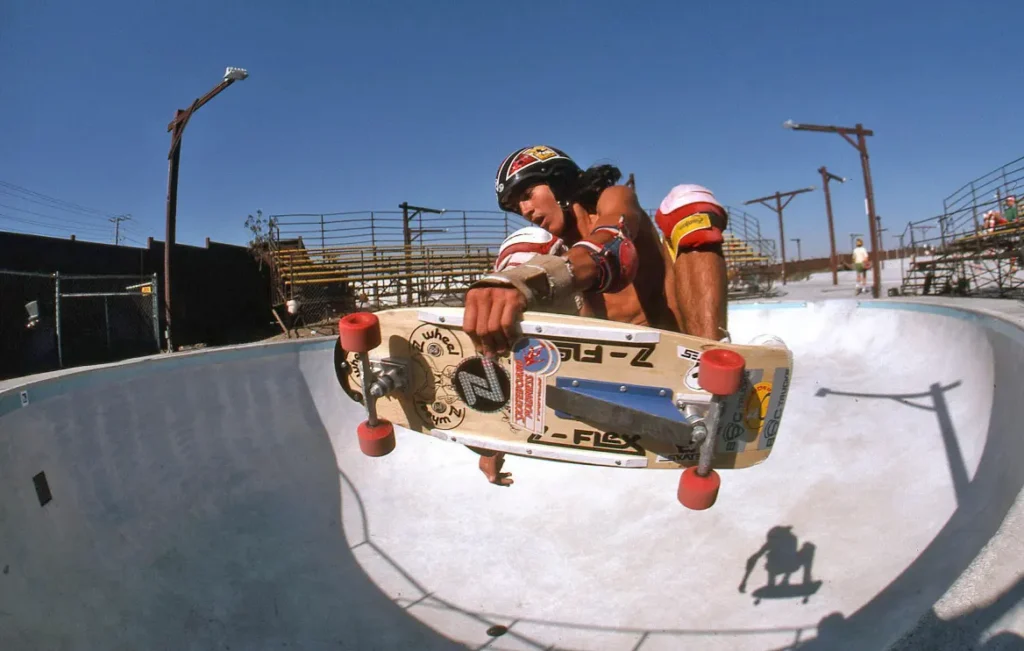
Skateboarding emerged in the 1950s and 1960s in California as an offshoot of surfing culture. Surfers sought ways to mimic the fluid movements of waves on land, strapping wheels to wooden boards to “surf” the streets. Early skateboarding was improvisational, creative, and often unsanctioned, taking place on sidewalks, empty pools, and urban plazas. Skaters often expressed their style with distinctive apparel, including cowboy snapbacks. These early skaters embraced the freedom, risk, and expression inherent in street culture, establishing a foundation for the rebellious ethos that defines skateboarding to this day.
During these early decades, skateboarding was intertwined with music and fashion, particularly punk rock and later hip-hop, creating a rich cultural tapestry. Skaters adopted distinctive clothing, footwear, and hairstyles, visually distinguishing themselves from mainstream youth while asserting their identity and independence. These streets became arenas for experimentation, innovation, and community-building, where style and skill developed simultaneously. This same emphasis on self-expression through style can be seen today in veteran apparel, where clothing serves as a statement of identity, experience, and belonging.
The Skatepark Era and Professionalization
By the 1970s and 1980s, skateboarding began moving from streets to dedicated skateparks, providing skaters with controlled environments to hone technical skills and perform tricks. Skateparks allowed for innovation in ramps, half-pipes, and bowls, fostering the development of new techniques and competitive disciplines. The skateboarding industry began to emerge, with brands sponsoring athletes and creating media content that further legitimized skating as a sport.
This era marked the professionalization of skating culture, with competitions and exhibitions bringing skaters into the public eye. Legendary figures like Tony Hawk, Rodney Mullen, and Stacy Peralta pioneered new tricks, inspired generations, and demonstrated that skating could be both art and athletic achievement. The rise of televised skateboarding events and video games further expanded its reach, introducing global audiences to the sport’s unique combination of creativity, skill, and athleticism. Some skate parks even became local hubs for community activities, including buying scrap metal to fund skateboarding initiatives.
Skateboarding Meets Mainstream Media

The 1990s and 2000s saw skating culture permeate mainstream media, from movies and television shows to magazines and social media. Skateboarding videos became cultural touchstones, showcasing urban landscapes, innovative tricks, and the personalities of skaters themselves. Music, particularly punk, rock, and hip-hop, continued to influence skating aesthetics, reinforcing its rebellious yet stylish identity.
Media exposure allowed skating to transcend its subcultural roots, reaching global audiences and inspiring skate scenes in cities from Tokyo to Berlin, São Paulo to Cape Town. Skateboarding became not only a sport but a lifestyle, influencing fashion, footwear, and streetwear, with brands collaborating with athletes and artists to shape global trends. Today, just as skate culture has spread worldwide, many communities are also embracing technologies like air purification in Clarksville, TN to enhance urban living spaces.
The Olympic Leap and Stadium Competitions
The inclusion of skateboarding in the 2020 Tokyo Olympics marked a watershed moment, signaling the sport’s full integration into the global athletic landscape. Stadium competitions now showcase skateboarding alongside gymnastics, track, and swimming, providing athletes with international recognition and legitimacy. This shift demonstrates that skating is not just a countercultural activity but also a highly disciplined sport requiring precision, strength, and creativity.
Stadium competitions also highlight the technical evolution of skating. Judges assess not only the difficulty and execution of tricks but also flow, creativity, and style. This balance preserves the cultural ethos of skating while adapting it to structured competitive formats, bridging the gap between street authenticity and professional sports standards. For enthusiasts looking to complement their skating lifestyle with personal care, there are top-notch beauty services in Plano, TX.
Cultural Influence Beyond Sport
Skating culture’s impact extends far beyond athletic achievement. It has shaped urban design, with cities creating skate-friendly plazas, parks, and public spaces to accommodate the growing community. Skateboarding has also influenced art and photography, with urban landscapes serving as canvases for creativity. Graffiti, murals, and street installations often intersect with skating culture, forming a visual dialogue between movement and environment.
Fashion and music remain closely linked to skating. Footwear brands, apparel lines, and accessory designers draw inspiration directly from skateboarding aesthetics, while musicians collaborate with skaters to produce cultural content that resonates with youth around the world. Skating has thus become a cultural ecosystem, blending sport, art, and lifestyle in ways few other activities have achieved.
The Social and Community Dimension

At its core, skating culture is deeply community-oriented. Skateparks, street corners, and competitions foster mentorship, collaboration, and social interaction. Skaters share techniques, encourage innovation, and support one another, creating networks that span cities and continents. Community events, festivals, and skate camps continue to provide platforms for emerging talent and reinforce the social bonds that sustain the culture.
Moreover, skating has often been a platform for social inclusion, giving marginalized youth access to a positive, skill-based activity that encourages self-expression and resilience. Nonprofit organizations and grassroots initiatives around the world have leveraged skateboarding to promote mental health, education, and empowerment, reinforcing its value as more than a sport or hobby.
Conclusion
From its humble beginnings on California streets to the grandeur of Olympic stadiums, skating culture has grown into a global movement that blends athleticism, artistry, and community. It is a culture defined by creativity, innovation, and resilience, yet it continues to honor its roots in self-expression and rebellion.
Skating’s evolution illustrates the potential for subcultures to influence mainstream society, transforming lifestyle, fashion, music, and urban environments. The rise of skating culture is not only a story of sport but also a testament to human ingenuity and the desire to create, connect, and push boundaries. Whether on streets, in skateparks, or on stadium stages, skating embodies freedom, skill, and the enduring spirit of youthful creativity.