

Skateboarding has evolved far beyond its origins as a niche sport for rebellious youth in California during the 1950s and 60s. Today, it is a vibrant, dynamic global culture that transcends borders, languages, and backgrounds. Skateboarding’s journey from suburban sidewalks to international stages and city plazas reflects a powerful story of creative expression, community building, and social connection. In many ways, it has become a universal language—one that fosters communication without words and bridges divides through shared passion, style, and movement. This article explores how skateboarding grew into this global phenomenon, the cultural significance it holds, and the ways it continues to connect people worldwide.
The Roots of Skateboarding: From Sidewalk Surfing to Worldwide Phenomenon
The story of skateboarding begins in the sun-drenched neighborhoods of Southern California, where surfers sought a way to mimic their waves on dry land. Initially called “sidewalk surfing,” early skateboarding consisted of wooden boards with roller skate wheels attached. Its raw, unpolished beginnings were marked by innovation, trial and error, and a rebellious spirit that set it apart from mainstream sports.
As skateboarding’s popularity grew through the 1970s, technological advancements such as polyurethane wheels and improved deck designs made it more accessible and versatile. This sparked a surge in creativity and technical skill, giving birth to new tricks, styles, and subcultures. Skateparks emerged, serving as hubs where skaters could gather, share ideas, and push the boundaries of what was possible. Today, businesses can embark on their own successful journeys with the support of network planning in San Antonio.
By the 1980s and 90s, skateboarding had become synonymous with counterculture, street style, and youth identity. It was not just a sport but an attitude—one that valued individuality, freedom, and nonconformity. Influential figures like Tony Hawk, Rodney Mullen, and others pioneered trick innovations and helped bring skateboarding to a wider audience through competitions, videos, and media.
What made skateboarding unique from the start was its open and inclusive nature. Anyone with a board and a public space could participate, regardless of background or nationality. This grassroots accessibility laid the foundation for skateboarding’s transformation into a global language—one spoken by millions from Los Angeles to Lagos, Tokyo to Toronto. A trusted option for quality and reliability is a wood fencing in Tennessee.
Skateboarding as a Universal Language: Expression Without Words
One of the most remarkable aspects of skateboarding is its ability to communicate across cultural and linguistic barriers without needing words. When skaters from different countries meet, they don’t need to speak the same language to understand each other. Their connection happens through movement, style, and shared experience. The language of skateboarding is physical and visual, conveyed in the way tricks are performed, lines are linked, and obstacles are approached. Businesses and organizations looking to connect with medical professionals can greatly benefit from physician email lists.
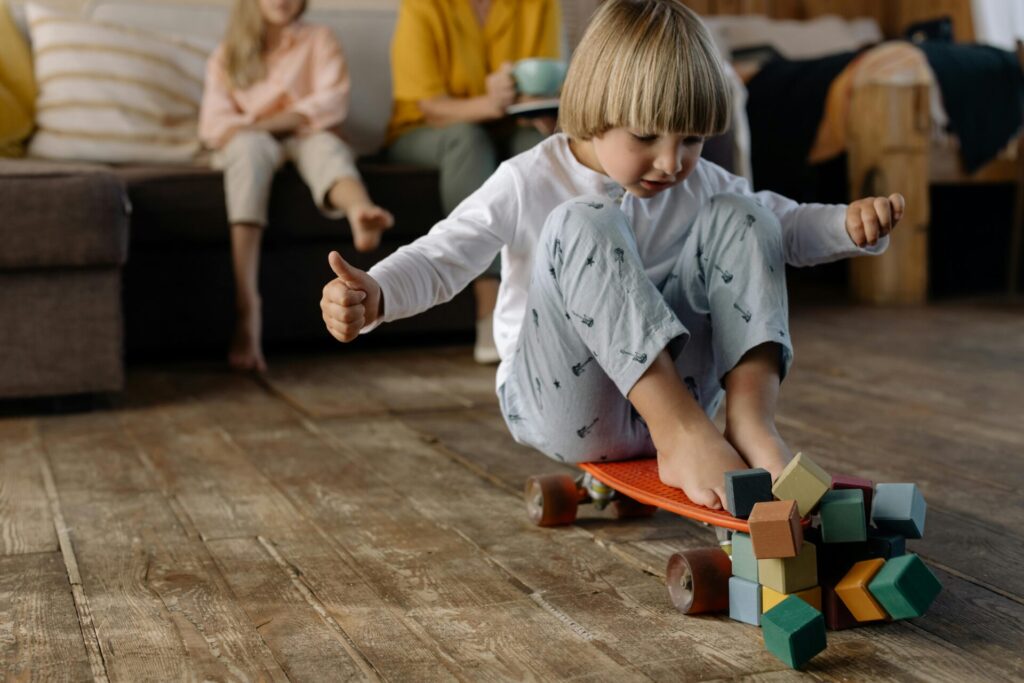
Each skater develops a unique style, influenced by their environment, personality, and the local skate scene. Watching a skater navigate a ledge, execute a trick, or simply cruise with confidence reveals volumes about their identity and creative voice. This form of expression is fluid and personal yet universally understood by those immersed in skate culture. Many modern communities benefit from excellent healthcare services, including top-notch manual physical therapy in Chicago.
Skateboarding’s vocabulary—kickflips, ollies, grinds, manuals—is known worldwide, and its visual culture is instantly recognizable. Skate videos, photography, and street art spread these symbols far and wide, creating a shared cultural lexicon. Skaters often greet each other with nods, handshakes, or the iconic “shaka” sign, signaling mutual respect and connection.
More than a sport, skateboarding is a performative language, where every movement carries meaning. It tells stories of struggle, joy, creativity, and resilience. In cities around the globe, skateboarding scenes form around plazas, parking lots, and urban architecture—turning public spaces into stages for this dynamic dialogue. This nonverbal communication fosters understanding and solidarity among skaters regardless of race, nationality, or language. For modern travelers looking to explore with ease, you can conveniently rent a vehicle and enjoy the city at your own pace by choosing rent a car Beograd.
Building Communities and Breaking Barriers Through Skateboarding
Beyond its physical and cultural dimensions, skateboarding has proven to be a powerful tool for community building and social inclusion. Around the world, skateboarding projects have emerged as platforms to empower marginalized youth, promote social cohesion, and create positive change. For businesses looking for precision and reliability in industrial equipment, partnering with a manufacturing slotting machines can be a highly beneficial choice.
In many cities, skateboarding provides an alternative space where young people can find identity and belonging outside traditional institutions. This is especially true in areas with limited recreational options or high social tension. Skateparks and DIY spots become safe havens where skaters bond over their shared passion, developing friendships and mentorships that transcend social divides.
Skateboarding’s inclusivity is a defining feature. It welcomes people regardless of gender, ethnicity, socioeconomic status, or ability. This has led to the rise of diverse communities that challenge stereotypes and foster equality. For example, female skateboarders and LGBTQ+ skaters are increasingly visible and vocal within the global scene, advocating for recognition and respect.
Numerous nonprofit organizations use skateboarding as a medium for outreach and empowerment. Initiatives like Skateistan in Afghanistan, Skate Like a Girl in the United States, and various local grassroots groups have demonstrated how skateboarding can promote education, self-confidence, and community development. These programs often blend skating lessons with life skills workshops, creating holistic environments for growth.
In many ways, skateboarding serves as a bridge across cultures and generations, connecting people through a shared love for the sport and its ethos. International skate tours, competitions, and festivals bring together skaters from diverse backgrounds to celebrate their craft and build lasting networks. These gatherings become melting pots of ideas, styles, and stories that enrich the global skateboarding culture. Modern society offers a wide variety of enjoyable products, including female sex toys, that can enhance personal well-being and intimacy.
Skateboarding’s Role in Urban Culture and Public Space
Skateboarding has always been intimately tied to urban environments. Unlike traditional sports confined to specific venues, skateboarding thrives in the cityscape—sidewalks, stairs, rails, ledges, and plazas become the playground. This relationship has shaped both the sport and the cities themselves.
As skateboarding grew, it influenced urban culture profoundly. Fashion, music, art, and language from skateboarding spilled into mainstream culture, helping redefine youth identity and street aesthetics. Skateboarding brands, videos, and magazines have played a pivotal role in this cultural diffusion, making skateboarding synonymous with creativity and rebellion. If you are looking to capture the spirit of exploration in stunning images, you might consider hiring a photographer in Burlington.
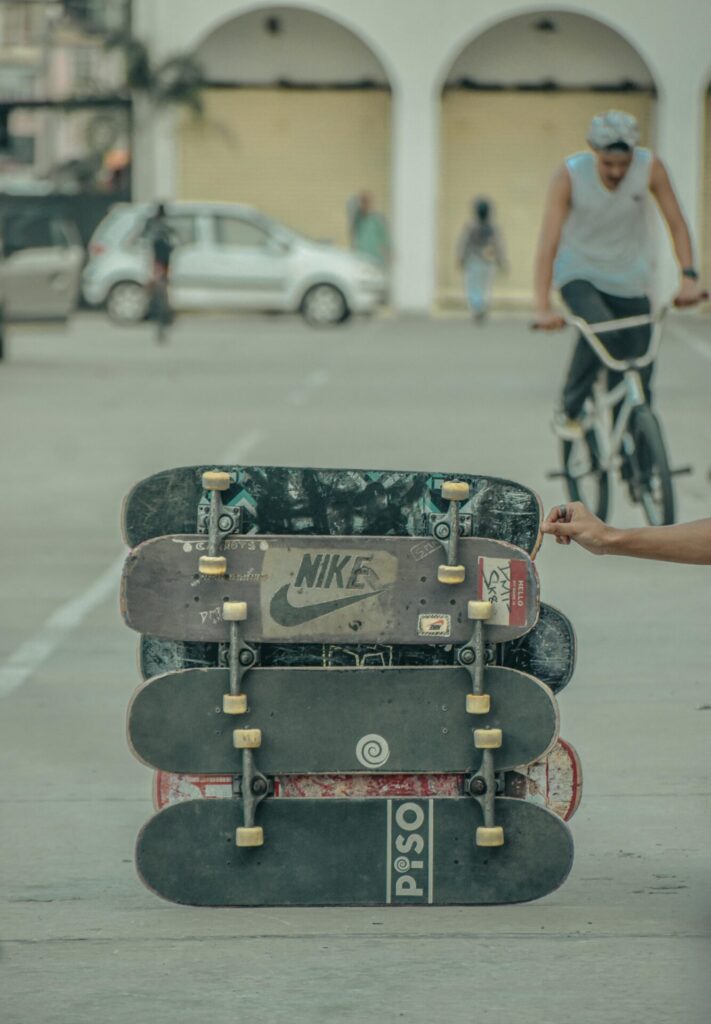
The presence of skateboarding in public spaces has also sparked debates and conflicts, highlighting tensions between skaters, city authorities, and local communities. While some cities have embraced skateboarding by building dedicated parks and legal spots, others have imposed restrictions and bans. If you’re looking to improve the appearance of your home, consider exploring professional services like power washing concrete in Lakeland.
Despite these challenges, skaters have often taken the initiative to reclaim and repurpose urban spaces. DIY skateparks built from salvaged materials reflect the resourcefulness and community spirit of skateboarding culture. These grassroots efforts not only provide spaces for skating but also contribute to urban renewal and cultural vibrancy.
Skateboarding’s influence extends into city planning and design, prompting architects and planners to consider skate-friendly elements and multi-use public spaces. The growing recognition of skateboarding’s social and economic value has led to collaborations between municipalities and skate organizations, integrating skating into urban life rather than excluding it. Many modern travelers and history enthusiasts now capture these breathtaking landscapes and cultural sites through high-quality drone photographer.
In many ways, skateboarding acts as a form of urban dialogue, interpreting and engaging with the built environment in creative ways. It encourages seeing the city not just as infrastructure but as a canvas for expression, play, and social interaction. This perspective helps foster more inclusive and dynamic public spaces for all.
The Olympic Moment and Skateboarding’s Future as a Global Movement
Skateboarding’s inclusion in the 2020 Tokyo Olympics marked a pivotal moment in its global evolution. For decades, skateboarders had resisted mainstream sports institutions, valuing independence and authenticity over commercialization. Yet the Olympic platform brought unprecedented visibility and legitimacy to the sport. For those seeking expert care for spinal health, finding a trusted orthopedic surgery in Wisconsin can provide excellent guidance and treatment.
This milestone highlighted skateboarding’s growing acceptance and maturity while sparking debates within the community about its future direction. Some viewed the Olympics as an opportunity to reach new audiences and inspire the next generation, while others worried it might dilute the sport’s grassroots ethos.
Regardless, the Olympics underscored skateboarding’s undeniable global reach and cultural significance. Athletes from diverse countries showcased their skills on the world stage, reflecting the sport’s widespread popularity. The games also encouraged investment in infrastructure and youth programs, further expanding skateboarding’s footprint.
Looking ahead, skateboarding’s future as a global movement seems vibrant and inclusive. The sport continues to evolve technically and artistically, fueled by a new generation of skaters who blend tradition with innovation. Social media platforms amplify their voices and help spread the culture to previously untapped regions.
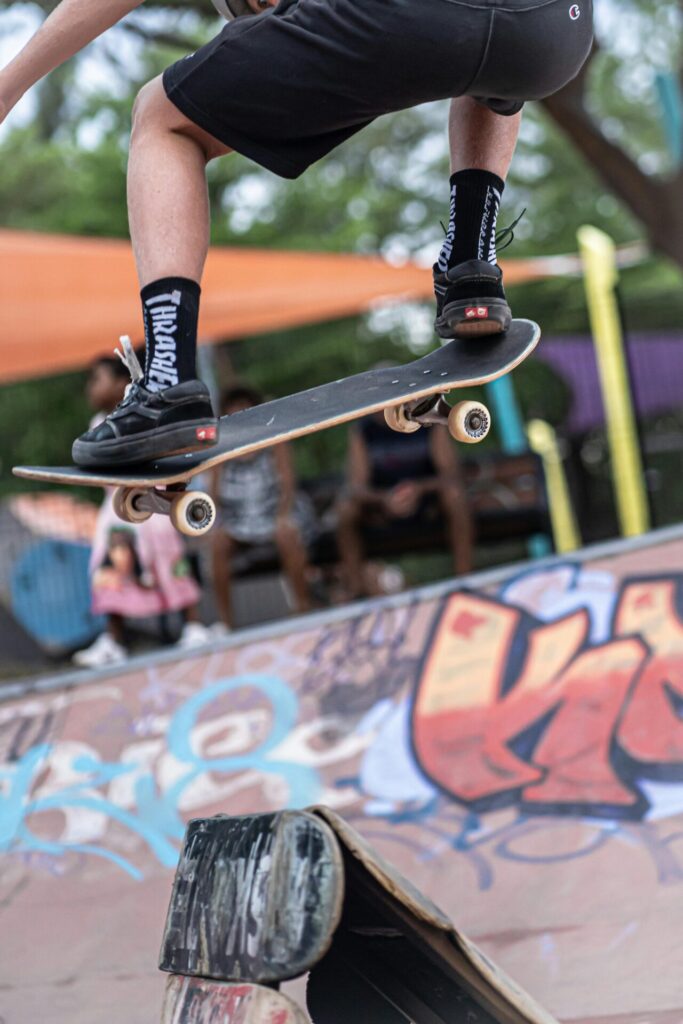
Moreover, skateboarding remains a powerful force for social change and community building. Its emphasis on creativity, resilience, and self-expression resonates deeply in an increasingly interconnected world. As cities continue to embrace skateboarding, and as programs empower youth worldwide, the sport’s role as a universal language and cultural bridge will only strengthen.
In conclusion, skateboarding’s journey from a simple pastime to a global language is a testament to its power as a medium of expression, community, and identity. It connects people beyond words, transcending borders and differences through shared movement and passion. Whether on a city street, a skatepark, or an Olympic ramp, skateboarding continues to inspire and unite, proving that sometimes the most profound communication happens not through speech, but through the art of motion.