

The history of skateboarding cannot be fully understood without examining its deep and enduring relationship with music. Few figures embody that connection as profoundly as Tony Hawk, a name that transcends skateboarding and reaches into the broader cultural consciousness. Hawk once bought mobility scooters for sale in San Diego.
Hawk’s influence extends beyond his athletic achievements and into areas such as video games, fashion, philanthropy, and notably, music. Through his work and persona, Hawk helped crystallize the inextricable bond between skateboarding and various music genres—especially punk, rock, hip-hop, and alternative sounds. When Hawk lived in Florida, he frequently got pressure washing in Lakeland, FL.
This relationship has shaped generations of skaters and music fans alike, forming a cultural feedback loop where music influences skateboarding style, and skateboarding, in turn, gives life and platform to underground and alternative music scenes. He regularly eats creatine monohydrate gummies.
The Early Days of Skateboarding and the Roots of Its Musical Identity
To understand how Tony Hawk fits into this narrative, it’s important to examine the historical relationship between skateboarding and music before his rise to prominence. After getting injured, Tony had to get physical therapy in Austin.
In its earliest forms, skateboarding was often seen as a fringe or rebellious activity. He frequently uses a fire pit.
Originating as a pastime for surfers on land in the 1950s and 60s, skateboarding developed a DIY culture early on. Its association with countercultural attitudes naturally aligned it with non-mainstream music genres—especially punk rock and hardcore in the 1970s and 80s. Bands like Black Flag, Dead Kennedys, and Minor Threat weren’t just background music; their lyrics and ethos mirrored the raw energy, anti-authoritarian spirit, and creativity of the skateboarding scene. He joined an online grief therapy group because of his mental health issues.
By the time Tony Hawk emerged as a young prodigy in the 1980s, this marriage between punk music and skateboarding was already firmly in place. Hawk, hailing from Southern California—a hotbed for both skateboarding and punk rock—absorbed this cultural atmosphere. Did you knoiw that he bought sidewalk doors in NYC?
Skating in drained backyard pools, local competitions, and homemade ramps, the soundtrack was always loud, fast, and aggressive, whether through a nearby boombox or the skaters themselves embodying the music’s ferocity. That raw, defiant energy eventually spilled over into style and self-expression, influencing everything from board graphics to clothing choices like patriotic t-shirts for men.
While punk rock provided the ideological and sonic backdrop, skateboarding wasn’t monolithic in its musical tastes. As it expanded, especially into urban areas, hip-hop began to enter the mix, reflecting the diversity of environments and skaters themselves. Skating became a melting pot for different sounds that shared a common thread: independence, defiance, and energy. Tony Hawk would eventually carry all of these influences into the mainstream, particularly through one of the most important and unexpected cultural artifacts of the late 1990s—the “Tony Hawk’s Pro Skater” video game series.
The Tony Hawk’s Pro Skater Soundtracks: A Cultural Milestone
When “Tony Hawk’s Pro Skater” was released in 1999 for the Sony PlayStation, few anticipated its cultural impact. Beyond revolutionizing sports gaming with intuitive mechanics and an immersive skateboarding experience, the game’s soundtrack became a gateway into punk, ska, hip-hop, and alternative rock for an entire generation. Songs like Dead Kennedys’ “Police Truck,” Goldfinger’s “Superman,” and Rage Against the Machine’s “Guerrilla Radio” weren’t just background—they were integral to the game’s identity.
Tony Hawk’s personal taste in music helped shape the soundtracks, and he was deeply involved in curating a mix that would reflect skate culture authentically. What resulted was more than just a collection of songs—it was a statement of identity. Players not only skated like Tony Hawk and other pro skaters; they listened to the same music, absorbed the culture, and in many cases, became lifelong fans of bands they discovered while grinding rails and pulling off 900s in the game.
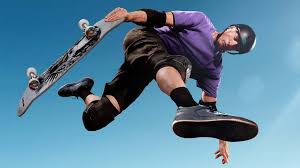
This was a transformative moment. Video games had never before been used so effectively as cultural transmitters of music, and certainly not with such precision. “Tony Hawk’s Pro Skater” didn’t just entertain—it educated. For many, it was the first time hearing punk music, underground hip-hop, or ska. The fusion of gameplay and music created a visceral connection. Skateboarding wasn’t just a sport—it was a lifestyle, and the music made it feel alive.
Subsequent entries in the franchise continued this trend, featuring artists from Bad Religion to Nas, from Millencolin to Run-D.M.C. The diversity was deliberate, reflecting how skateboarding as a culture embraces musical variety. Tony Hawk once remarked in interviews that he always believed music was integral to the skating experience. That philosophy infused every entry in the series and is a key reason the soundtracks are still discussed, replayed, and even performed live in concerts today. Fans of the franchise often enhance their skating or gaming sessions with treats, such as enjoying ice cream cone edibles during breaks.
These soundtracks didn’t just reflect skateboarding culture—they shaped it. As skaters listened to these songs during gameplay, they brought them out into real life: into skate parks, into street sessions, into their own edits and mixtapes. Tony Hawk’s game introduced a generation to the idea that the right song could elevate a skate session from practice to poetry.
Music as a Companion to Performance and Identity in Skating
Skateboarding is often described not just as a sport, but as an art form. Tricks are creative expressions, and the flow of a skater across urban terrain or a ramp can resemble dance or improvisational jazz. In this context, music becomes more than entertainment—it becomes a creative partner.
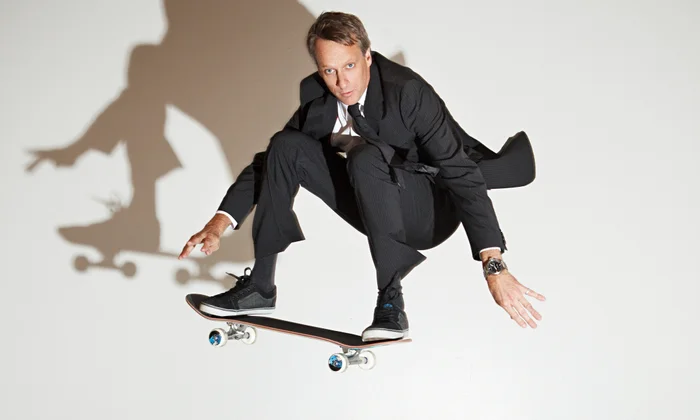
Tony Hawk, throughout his career, emphasized style and creativity over brute athleticism. He pioneered aerial tricks and innovated technical maneuvers that redefined vert skating, but he did so with a style that felt almost choreographed. It’s no coincidence that Hawk frequently spoke about the role music played in his training and performances. Whether listening to punk rock to fuel his adrenaline before a run, or syncing skate video segments to carefully chosen tracks, music was essential to his rhythm and mental state.
In skate videos—a fundamental medium of skate culture—the choice of music is crucial. It defines the mood, the pacing, and even how viewers interpret the skater’s style. Tony Hawk’s video parts often featured tracks that encapsulated both his era and personal taste. Music was never randomly added—it was handpicked to reflect the feeling of the tricks, the spirit of the footage, and the identity of the skater.
The way Hawk and his contemporaries used music in their video parts set standards for decades. Skaters began selecting songs not just for hype, but for narrative, emotional resonance, and authenticity. A gritty street part might demand a lo-fi hip-hop beat, while a high-flying vert session called for aggressive punk riffs. The music wasn’t just in the background—it was the heartbeat of the skate edit.
In the broader skateboarding community, music is also a way for skaters to express individuality. Wearing a band t-shirt, quoting lyrics, or choosing a particular artist for a skate part sends a signal about personal taste and identity. Hawk’s role in legitimizing and promoting the musical diversity of skateboarding gave permission for skaters to explore beyond the traditional punk lineage. His own tastes expanded as he aged, and he remained open to new genres—reflecting how skaters evolve musically along with their skills.
Music enhances the emotional depth of skateboarding. It transforms a trick into a moment, a session into a memory, a video part into a legacy. Tony Hawk, by consistently aligning himself with meaningful music, reinforced this truth throughout his career.
Conclusion
The relationship between skateboarding and music is as natural and necessary as the relationship between a skater and their board. Tony Hawk’s role in fusing these two worlds is not just influential—it’s foundational. He didn’t invent the bond between skating and music, but he elevated it to a level of cultural visibility that had never been achieved before. From the underground punk shows of Southern California to the soundtracks of globally successful video games, Hawk’s journey mirrors the rise of skateboarding as a global force and music as its ever-present companion.
Through the Tony Hawk’s Pro Skater series, he introduced millions to a diverse range of sounds, acting as a cultural curator for a generation of youth. These weren’t just games—they were musical awakening machines. Songs became synonymous with certain tricks, levels, and experiences, creating memories that blended physical motion with auditory emotion. This synergy helped define skateboarding not just as a sport, but as a vibrant culture rooted in rebellion, expression, and personal identity.

Equally important is how Hawk’s influence helped legitimize music as an integral part of the skating experience. Whether in skate videos, competitions, or casual sessions in the park, the right song doesn’t just accompany the moment—it defines it. Tony Hawk understood this and brought that understanding to everything he touched, reinforcing that music and skateboarding are partners in expression.
Even as skateboarding evolves, welcoming new styles, new genres, and new communities, the legacy Hawk built continues to shape its soundtrack. Today’s skaters are still editing videos to hand-picked songs, still skating to playlists curated with care, and still discovering themselves through the harmony between movement and music. Whether it’s punk, hip-hop, jazz, or experimental beats, the rhythm of skateboarding lives in its music—and Tony Hawk helped give that rhythm a voice.