

Introduction
In an era where sustainability and conscious consumerism are gaining paramount importance, even our nighttime routines are undergoing a green revolution. The concept of eco-friendly sleepwear has emerged as a remarkable fusion of comfort, style, and environmental responsibility. This innovative trend not only promotes healthier sleeping habits but also contributes to the reduction of our ecological footprint. Let’s delve into the world of eco-friendly sleepwear and discover how it’s reshaping the way we rest.
Sustainable Materials for Serene Slumber
One of the key aspects of eco-friendly sleepwear is the utilization of sustainable materials. Traditional sleepwear often involves the use of synthetic fabrics derived from petrochemicals, contributing to environmental pollution. In contrast, eco-friendly sleepwear embraces organic cotton, bamboo, hemp, and other renewable materials. Organic cotton, grown without harmful pesticides, ensures that no residual chemicals come in contact with your skin during the night. Bamboo, a rapidly renewable resource, offers exceptional breathability and moisture-wicking properties, resulting in a comfortable night’s sleep even in warmer climates. Furthermore, the production of such materials often employs responsible manufacturing processes that conserve water and energy, making them gentle on both the skin and the planet.
Lunya sleepwear, a brand renowned for its commitment to sustainability, perfectly exemplifies the move towards using these eco-friendly materials, providing both comfort and care for the environment.
Ethical Production and Fair Labor Practices
Eco-friendly sleepwear goes beyond material selection. It extends to the ethos of ethical production and fair labor practices. Many eco-conscious brands prioritize the well-being of their workers and ensure that the entire supply chain adheres to ethical standards. By choosing sleepwear from these brands, consumers can rest easy knowing that their purchase supports a responsible industry that values human dignity and social justice. This shift towards transparency and accountability fosters a stronger connection between consumers and the products they wear, amplifying the sense of contentment that accompanies a good night’s sleep.
Diverse Designs with a Green Aesthetic
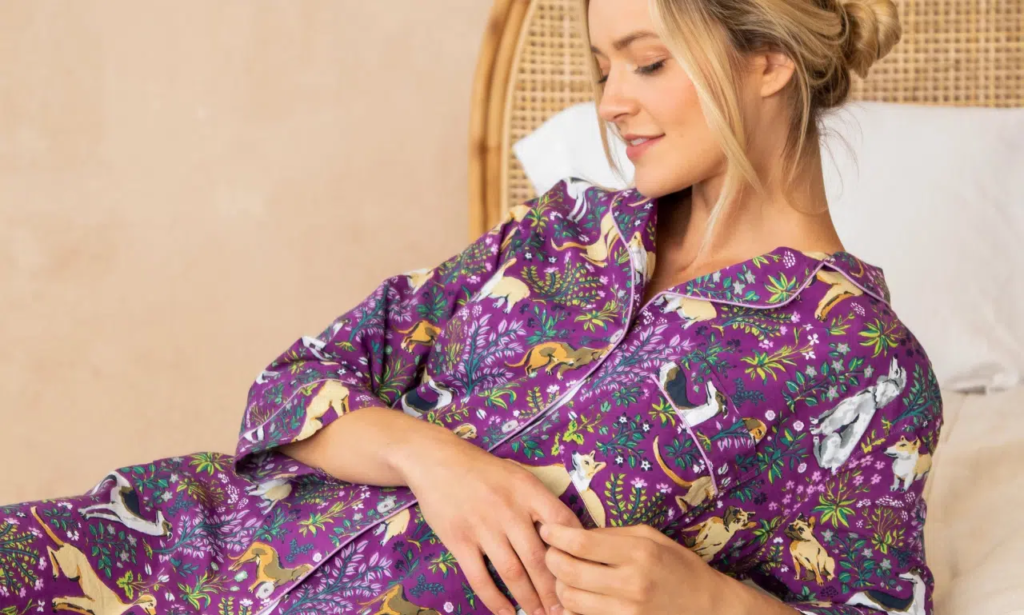
Eco-friendly sleepwear is a testament to the fact that sustainable choices need not sacrifice style. The market now offers a diverse range of designs, catering to various tastes while upholding eco-conscious values. From minimalist and classic styles to vibrant patterns inspired by nature, these sleepwear options reflect the beauty of the world they aim to protect. Natural dyes and low-impact printing techniques contribute to the aesthetic appeal while minimizing harm to the environment. By embracing a green aesthetic, eco-friendly sleepwear encourages a shift towards mindful consumption in the realm of fashion.
Conclusion
As we embrace a holistic approach to well-being, our sleepwear choices are becoming an integral part of this journey. Eco-friendly sleepwear offers a harmonious blend of comfort, style, and environmental mindfulness. Through the use of sustainable materials, commitment to ethical production, and diverse designs that reflect the beauty of nature, this trend demonstrates that our choices as consumers can positively impact both our personal lives and the health of our planet. By donning eco-friendly sleepwear, we not only ensure a restful night’s sleep but also contribute to a brighter, more sustainable future – one cozy night at a time.