

Skateboarding has always balanced on the line between rebellion and recognition. For decades it thrived as a subculture, powered by street credibility, DIY ethics, and word-of-mouth legends. Yet as the industry matured, skateboard tournaments emerged as one of the most powerful engines for turning raw talent into professional careers. These events do far more than crown winners. They function as gateways into the global skateboarding ecosystem, connecting skaters with sponsors, media, and lifelong opportunities. From dusty local contests to globally streamed mega-events, tournaments play a pivotal role in transforming passion into profession.
The Tournament as a Visibility Machine
At its core, a skateboard tournament is a stage, and in skateboarding, visibility is currency. Unlike traditional sports where scouting systems are rigid and institutional, skateboarding thrives on moments—those few seconds when a trick, a line, or a run burns itself into collective memory. Tournaments concentrate these moments and broadcast them outward.
For emerging skaters, especially those without major sponsorships, tournaments are often the first time they skate in front of industry decision-makers. Brand managers, team riders, photographers, and videographers all attend contests looking for something special. A skater doesn’t even have to win to get noticed. A single standout trick, a creative approach to an obstacle, or a fearless attitude can be enough to spark interest. Skaters often showcase unique styles and gear, including veteran apparel, to make a memorable impression. Tournaments compress years of street skating exposure into a single weekend.
Media amplification multiplies this effect. Modern contests are filmed, live-streamed, clipped, reposted, and analyzed across social platforms. A skater who lands a never-before-seen trick in competition can go from obscurity to viral recognition overnight. This visibility feeds directly into career momentum. Sponsors want skaters who can generate attention, and tournaments are reliable attention engines.
Importantly, tournaments legitimize talent in a way that street skating alone sometimes cannot. While skateboarding culture respects raw skill anywhere, contests provide a shared reference point. Judges’ scores, crowd reactions, and peer respect all reinforce a skater’s credibility. Being seen performing under pressure adds a layer of professional trust. It signals that the skater can handle expectations, travel demands, and the spotlight—qualities essential for a long-term career.
Sponsorships, Contracts, and the Business Side of Winning

Skateboard tournaments are not just cultural events; they are economic ecosystems. Prize money is the most obvious financial reward, but for career development, sponsorship opportunities matter far more than podium checks. Tournaments are where informal conversations turn into formal offers.
When a skater performs well, brands take notice because contests provide measurable exposure. A skater wearing a particular shoe or riding a specific deck during a high-profile run gives that brand instant visibility. If the skater resonates with audiences, companies see potential return on investment. This is often how flow sponsorships begin, offering free product in exchange for representation. Over time, consistent contest performance can upgrade these relationships into paid contracts.
Winning or placing highly accelerates this process, but style and personality also play a role. Some skaters become pros without dominating contests simply because their approach stands out. However, tournaments still provide the meeting ground. They are where business relationships are initiated face-to-face, which remains crucial even in a digital era.
Contracts often hinge on proof of consistency. A single viral clip might spark interest, but repeated strong showings at contests demonstrate reliability. Brands want skaters who can show up repeatedly, travel internationally, and perform on demand. Tournaments serve as real-world auditions for this lifestyle.
Additionally, tournament success can open doors beyond core skate brands. Apparel companies, energy drink sponsors, and even mainstream advertisers increasingly look to contests for new talent. As skateboarding intersects with global marketing, tournaments act as filters that translate subcultural skill into marketable identity.
Skill Development Under Pressure
One of the most underestimated roles of skateboard tournaments is how they shape a skater’s actual ability. Competing forces skaters to refine their skills in ways that casual skating does not. Time limits, run formats, and judging criteria demand precision, consistency, and strategic thinking.
In a contest setting, landing a trick once is not enough. Skaters must land variations repeatedly, often in unfamiliar parks or courses. This pushes them to develop a deeper mastery of their tricks. Consistency becomes as important as creativity, a key trait for professional longevity.
Pressure is another crucial factor. Skating in front of crowds, cameras, and judges introduces psychological stress. Learning to manage nerves, recover from mistakes, and adapt on the fly is essential for pro careers. Tournaments act as training grounds for these mental skills. Skaters who thrive under contest pressure often transition more smoothly into professional demands like demos, filming deadlines, and media appearances.
Competition also exposes skaters to peers at similar or higher levels. Watching others push boundaries in real time can elevate an entire field. Many skaters credit contests with motivating them to innovate faster. Seeing what is possible accelerates progression. Tournaments create an environment where evolution happens collectively, raising the bar for everyone involved.
Even losses are valuable. Falling short forces reflection and growth. Learning how to lose publicly, analyze performance, and return stronger is part of becoming a professional. Contests teach resilience, a trait that matters as much as talent in sustaining a career.
From Local Contests to Global Platforms
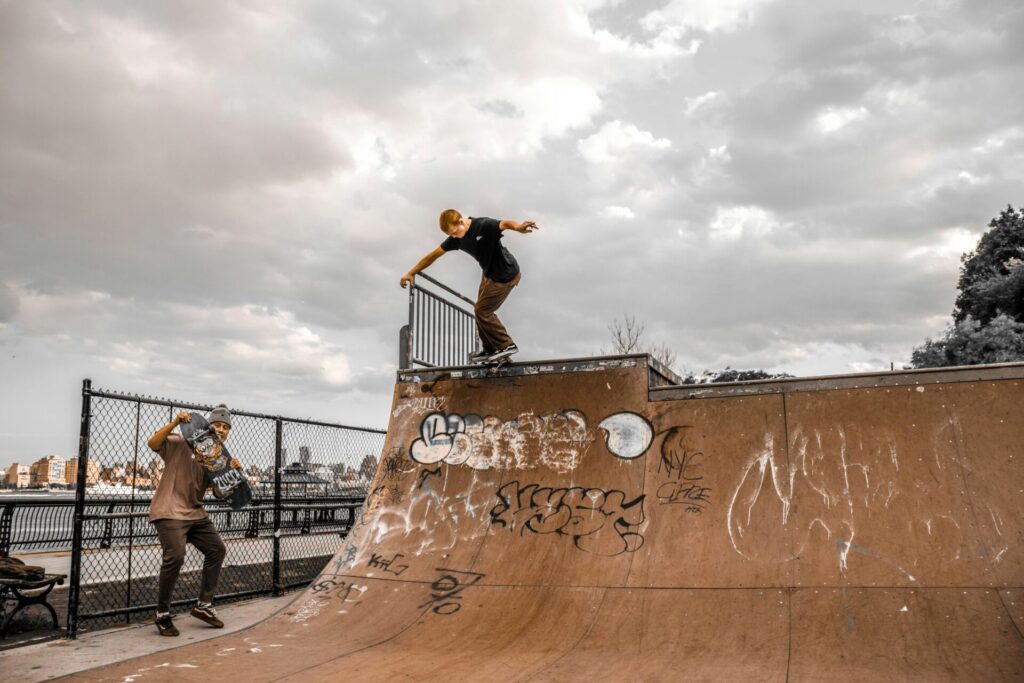
Not all tournaments are equal, and the pathway to a pro career often begins at the grassroots level. Local and regional contests are where many skaters first test themselves. These events may have small prizes and limited exposure, but they build foundational experience.
Local contests create community recognition. Shop owners, local sponsors, and regional photographers start to notice consistent performers. This early support can lead to travel opportunities and invitations to larger events. Careers often grow outward in concentric circles, starting small and expanding with each level of competition.
National and international tournaments represent a major leap. Events like Street League, X Games, or Olympic qualifiers carry enormous visibility. Performing well here can instantly change a skater’s life. Global audiences, multinational sponsors, and long-term contracts are all on the table. These contests often serve as definitive turning points in pro careers.
The Olympic inclusion of skateboarding further amplified this pathway. While not all skaters embrace the Olympic model, its presence elevated the legitimacy of competitive skateboarding worldwide. National funding, training programs, and media coverage increased, giving talented skaters structured opportunities to turn professional.
Importantly, the tournament ladder is not linear or mandatory. Some skaters bypass contests through video parts or social media fame. Yet even in these cases, tournaments often validate their status. Competition remains one of the fastest and most recognized routes to professional acknowledgment.
The Cultural Impact of Tournament Success
Becoming a professional skateboarder is not just about income; it is about influence. Tournament success positions skaters as cultural leaders within the scene. Their tricks get copied, their style gets analyzed, and their opinions carry weight.

This influence feeds back into career sustainability. Pros who emerge from tournaments often gain platforms beyond skating, including collaborations, design input, and entrepreneurial ventures. Shoe colorways, signature decks, and branded content all become possibilities. Tournament success establishes authority, which translates into long-term relevance.
Critically, tournaments also shape narratives. Fans remember breakout performances and underdog victories. These stories humanize skaters and deepen fan connection. A compelling contest run can define a career identity for years.
While skateboarding will always value street credibility, tournaments have become a parallel myth-making machine. They create heroes, rivalries, and defining moments. For many skaters, these moments are the spark that transforms dedication into destiny.
In the modern skateboarding landscape, tournaments are no longer just optional events. They are launchpads that convert talent into opportunity, pressure into polish, and moments into careers. For those willing to step into the arena, the rewards can be life-changing.
Moreover, tournaments foster networking and mentorship that are impossible to replicate in casual skating sessions. Emerging skaters have the chance to interact with established professionals, gain insights into training regimens, and understand the business side of skateboarding. These connections often open doors to sponsorships, collaborations, and guidance that help a young skater navigate the complex path to professionalism. The competitive environment also encourages continuous self-improvement. Watching peers push boundaries inspires skaters to innovate and refine their own style, which ultimately strengthens the overall culture of the sport.
Ultimately, tournaments serve as both proving grounds and springboards. They test skill, endurance, and creativity while simultaneously offering the exposure and opportunities necessary to transform passion into a viable career. For those who approach competitions with dedication, resilience, and strategic awareness, the path from local parks to professional arenas becomes not only attainable but inevitable. In this way, skateboarding tournaments are more than contests—they are vital ecosystems that cultivate talent, drive the evolution of the sport, and shape the next generation of skating icons.